

6-12 Months
Babies grow and gain weight the fastest within the first 6 months of life, usually 4-7oz (113-200g) per week. After 6 months that rate slows slightly to around 3-5oz (85-140g) per week. On average, babies triple their birthweight by their first birthday. From about 6 months, infants have decreased body stores of iron and vitamin D and their needs can no longer be met by breast of formula milk alone.
They need solid foods alongside infant milk to provide the extra energy needed to sustain rapid growth. But because babies have small stomachs, that still means ‘little and often’.
7 Months
By this age, babies should have full colour vision and an improved ability to see distant objects, and track moving ones. They may be able to sit unsupported, first leaning on their hands and later without, as well as bearing their full weight on their feet. They are likely to be able to reach with one hand, grasp with their fingers and respond to their name as well as enjoying social playtime.
8 Months
Babies will probably be crawling, standing with help, able to bang blocks together, uncover hidden toys and understand the meaning of “No” (without obeying it). They may enjoy playing games like ‘peek-a-boo’ and trying to chew – which may mean they are ready for mashed foods rather than purees as well as saying words like “mama” and “dada”.
9 Months
Can sit unsupported for longer periods (10 minutes), stand while holding onto furniture, point at objects and pick up objects with index finger and thumb. By this stage, babies may have favourite toys, be able to respond to simple verbal commands and want to cling to parents in the presence of strangers.
10 Months
They should now be able to sit for as long as they like, poke objects with their index finger and be more skilful at picking up objects with thumb and index finger. They may be able to follow pictures in books, repeat actions that elicit a reaction, understand the meaning of “mama” and “dada”, be trying to hold a spoon and wave goodbye – as well as understanding what it means.
11 Months
May be trying to stand unsupported for a few seconds and walking while holding onto furniture. They are likely to be more comfortable around strangers, be able to reach for, grab and throw objects and place objects in a container
12 Months
They may be attempting their first steps alone, able to walk with only one of their hands being held and can sit down from standing. They can turn book pages and may be starting to drink from a cup, show affection and will put out an arm or a leg to help when getting dressed.
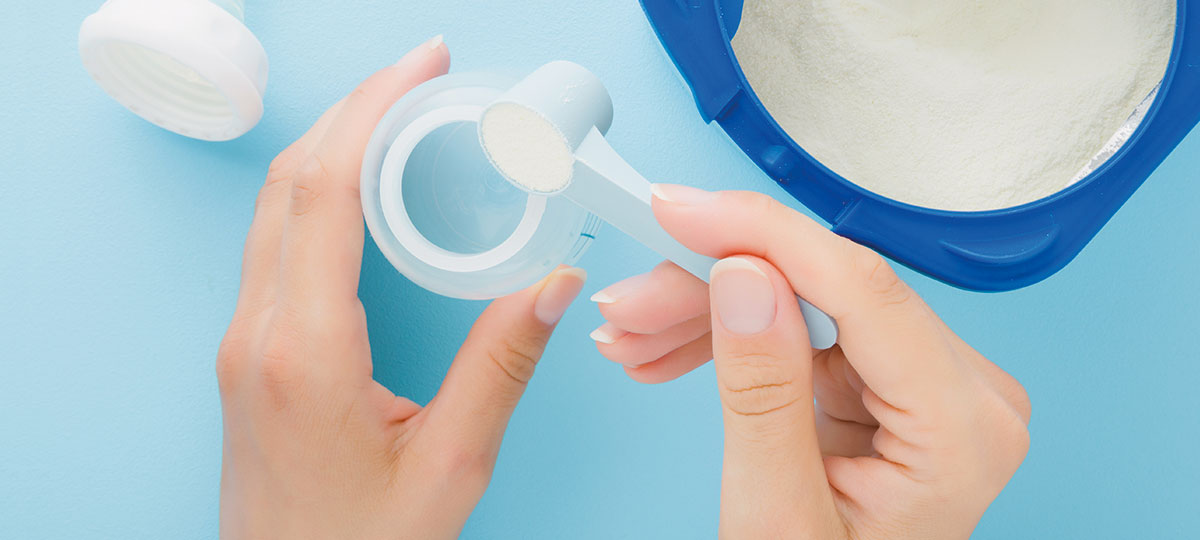
Because babies’ needs for iron increase at this stage, follow-on milks like Isilac 2 are enriched with iron to help support normal cognitive development in baby’s brain. It also contains Vitamin D and calcium to support the normal growth of bones and Omega 3 & 6 to support normal development and growth.
To start with, baby only needs a small amount of solid food once a day, alongside breastmilk or formula milk. This should be their main drink for the first year. Cow’s milk can be used for cooking but is not suitable for babies to drink until they are 12 months old.
From around six months, weaning can start with single vegetables or fruits like parsnip, potato, yam, sweet potato, carrot, apple or pear. These can be blended, mashed, or soft-cooked sticks. The amount and variety of foods can be gradually increased to include vegetables that are not so sweet like broccoli, cauliflower and spinach but babies should not be given foods that are salty or full of sugar.
By the age of 7-9 months, baby will gradually move to eating 3 meals (breakfast, lunch and tea) a day and be able to tackle foods that are lumpy rather than smooth. If baby is hungry between meals, extra milk feeds should be offered rather than snacks. At 10-12 months, babies should be established in eating 3 meals a day in addition to as few as 3 milk feeds a day. Lunch and tea may well include a main course together with a pudding such as fruit or an unsweetened yoghurt. By this stage, babies should be enjoying a wide range of tastes and textures with bigger chunks of food and a wider variety of finger foods.
Gum is sore and red where the tooth is emerging.
Baby has a mild temperature of less than 38°C.
They have one flushed cheek.
They have a rash on their face.
They are rubbing their ear.
They are dribbling more than usual.
They are gnawing and chewing on things a lot.
They are more fretful than usual.
They are not sleeping very well.
If there are symptoms that cause parents concern, they should consult a healthcare professional.
Although teething can be distressing for some babies, there are some things that can be done to help. Teething rings should give babies something to chew on safely and some can be cooled in the refrigerator to help ease sore gums. Parents should be guided by the manufacturer’s instructions as to how long the ring should be chilled for, but they should never be put in the freezer as this could damage baby’s gums.
Babies over 6 months can also be given healthy things to chew on such as raw fruit and vegetables. They can also be given a crust or breadstick but will need to be watched in case they choke. Rusks should probably be avoided as almost all contain sugar. There is little evidence to show that teething gels are effective. Only gels specially designed for babies should even be considered and only used on the advice of a healthcare professional. Using a painkilling medicine like paracetamol or ibuprofen is likewise best used after consulting a healthcare professional. Aspirin should never be given to children under 16 years of age.
As soon as baby’s milk teeth break through, consideration should be given to getting into a routine of cleaning them with a fluoride toothpaste.